

INTERVIEW ON THE PRICE OF BUSINESS SHOW, MEDIA PARTNER OF THIS SITE.
Recently Kevin Price, Host of the nationally syndicated Price of Business Show, welcomed Dr. Ann Hester to provide another commentary in a series.
The Dr. Ann Hester Commentaries
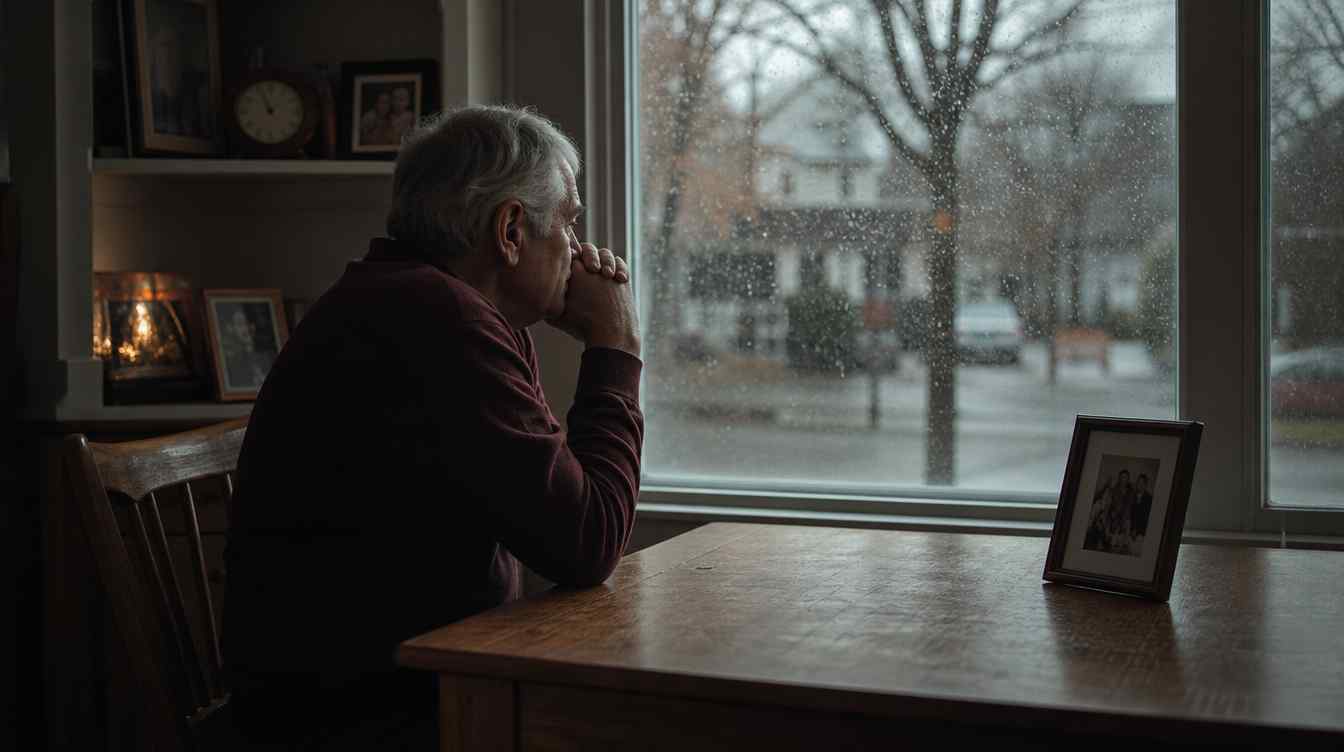
When most people think about threats to their health, they think about smoking, high blood pressure, obesity, or perhaps a family history of disease. Few people would place loneliness on that list. Yet a growing body of research suggests that social isolation may be one of the most overlooked health risks of our time.
In fact, the U.S. Surgeon General has highlighted research suggesting that the health effects of chronic loneliness may be comparable to smoking up to 15 cigarettes a day. That’s a startling comparison for something many people dismiss as simply an unpleasant emotion.
The modern world has created a curious paradox. We are more connected than ever through smartphones, social media, video calls, and instant messaging. We can communicate with people across the globe in seconds. Yet many people report feeling increasingly disconnected from meaningful human relationships.
Loneliness is not the same thing as being alone. Some people thrive on solitude and find it restorative. Loneliness occurs when there is a gap between the social connections we desire and the connections we actually have. A person can feel lonely while living in a crowded city, working in a busy office, or even sitting at a family dinner table.
Why does this matter? Because the body often interprets chronic loneliness as a form of stress. When stress becomes persistent, the body’s stress-response systems can remain activated for extended periods. Researchers have linked social isolation and loneliness to higher rates of heart disease, stroke, depression, anxiety, cognitive decline, dementia, and premature death.
From a Lifestyle Medicine perspective, this should not be surprising. Human beings are social creatures. Throughout most of human history, survival depended on being part of a tribe, family, or community. Connection was not simply a pleasant addition to life—it was essential for survival. Our biology evolved in a world where relationships mattered.
Unfortunately, modern life often pushes us in the opposite direction. Long work hours, busy schedules, frequent moves, remote work arrangements, and increasing screen time can gradually erode opportunities for meaningful interaction. Many people find themselves surrounded by digital connections while lacking the deeper relationships that nurture emotional and physical well-being.
The encouraging news is that improving social connection does not require expensive equipment, a prescription, or a gym membership. Small actions can have a meaningful impact. Calling a friend, joining a community group, volunteering, attending a place of worship, participating in a walking club, or simply striking up a conversation with a neighbor can help strengthen social bonds.
While nutrition, exercise, sleep, and stress management receive much of the attention in health discussions, social connection deserves a seat at the table. The quality of our relationships may influence our health more than we realize.
The next time you think about ways to improve your well-being, consider looking beyond your plate or fitness tracker. Reach out to someone. Schedule lunch with a friend. Call a family member. Start a conversation.
Sometimes one of the most powerful forms of medicine is not found in a pharmacy. It is found in human connection.
Ann M. Hester, M.D. is a board-certified internist with over 25 years of experience. She obtained her medical degree from the University of Tennessee in Memphis. Dr. Hester believes when patients are taught exceptional “patient skills,” they become empowered to play a previously unimagined role in optimizing their medical care and minimizing medical costs. Her mission is to share these critical skills by various means, thereby improving patient outcomes and strengthening the U.S. healthcare system. This mission started in medical school when she witnessed the tremendous gap between how patients and doctors think. Over the years, she has written various patient empowerment pieces online and through books. Her latest book is Patient Empowerment 101: More than a book, it’s an adventure! This unique work takes an unprecedented step in helping people think more like doctors and position themselves at the center of their healthcare team.
Learn more at https://www.patientempowerment101.com.
Connect with her through social media:
Twitter: @patientworldnet
LinkedIn: https://www.linkedin.com/in/patientempowerment101 https://www.linkedin.com/in/annhester/
For more great health and lifestyle content, see here.
Explore more insights at https://usabusinessradio.com/.