
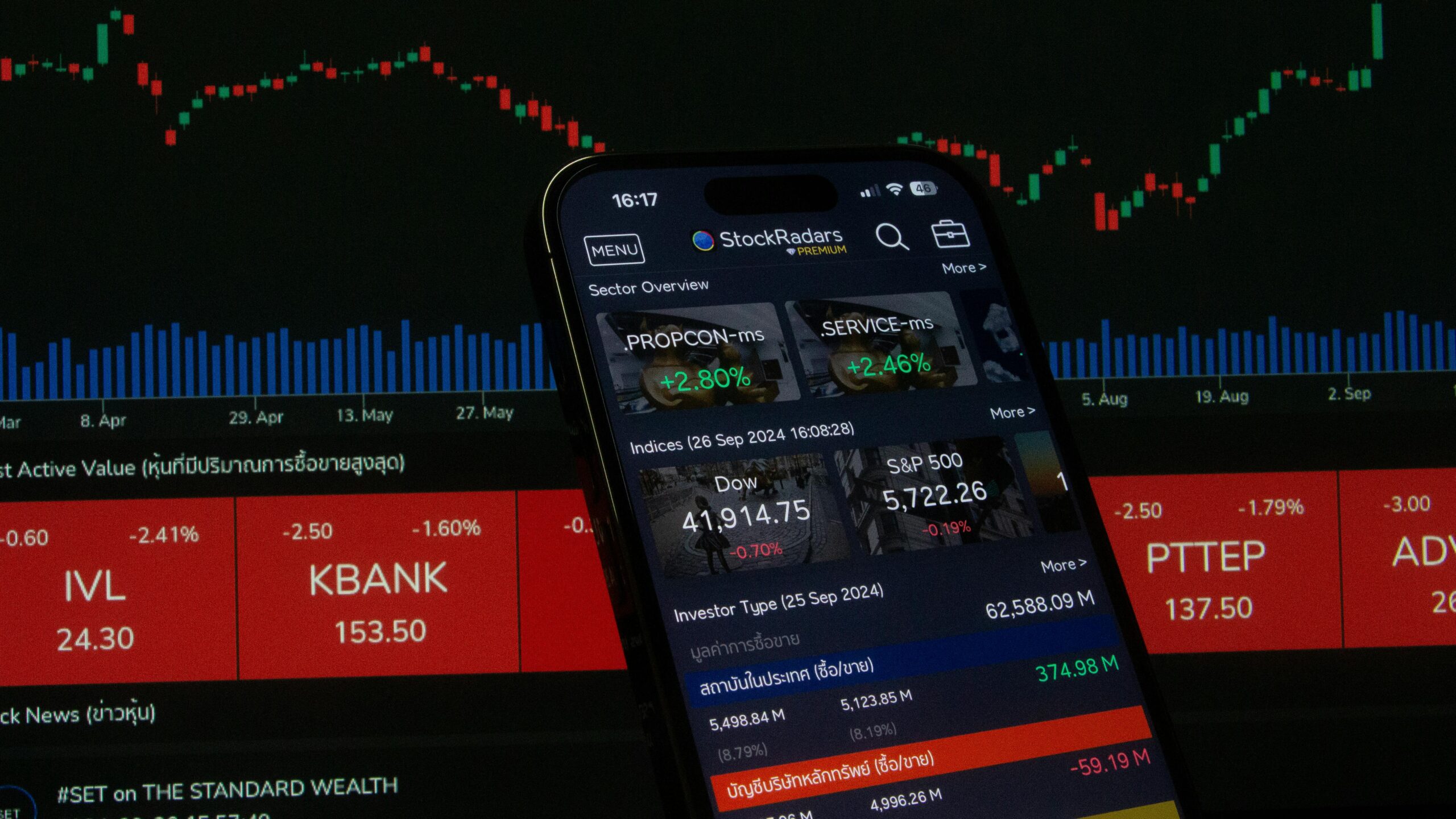

Volatile growth stocks continue attracting active traders because of their rapid price swings and momentum-driven trading activity. While these movements can create short-term opportunities, they also carry substantial risk, particularly for inexperienced investors.
One stock that has recently gained speculative attention is MicroCloud Hologram Inc. (HOLO), known for its sharp volatility, low float dynamics, and connection to emerging holographic technology themes. For MENA investors increasingly participating in global markets, understanding how stocks like HOLO react to liquidity, sentiment, and market psychology has become an important part of navigating modern trading environments.
Technology Narratives Continue Driving Speculation
One reason companies like HOLO gain market attention is the appeal of futuristic technology themes. Investors are consistently drawn toward industries associated with artificial intelligence, immersive digital experiences, augmented reality, and advanced visualization systems.
Even when companies remain in early growth stages, market enthusiasm around emerging technologies can create significant speculative momentum.
In recent years, markets have repeatedly demonstrated how narrative-driven investing can amplify stock volatility. Traders often respond not only to earnings results or financial performance, but also to broader thematic excitement surrounding innovation and disruption.
As interest in digital transformation continues expanding globally, speculative technology names frequently experience sudden bursts of investor attention.
For traders researching Holo stock, understanding this relationship between narrative momentum and market psychology is essential. In highly speculative equities, sentiment can sometimes influence price action more aggressively than traditional valuation metrics.
Momentum Trading Relies Heavily on Market Psychology
Momentum trading is deeply connected to investor behavior. Fear of missing out, rapid social media dissemination, and short-term speculation can accelerate both rallies and declines.
When traders observe unusually high trading volume or rapid price acceleration, additional participants often enter positions expecting continued upside momentum. This influx of buying activity can push prices even higher in short periods.
However, momentum-driven environments are rarely stable.
Once buying pressure weakens or profit-taking begins, volatility can reverse sharply. Stocks that rise dramatically within days may also experience equally aggressive declines. This is why experienced traders emphasize disciplined entry and exit strategies when approaching speculative names.
Professional traders often avoid emotional decision-making in these situations. Instead, they rely on predefined risk parameters, technical indicators, and position sizing strategies to manage exposure.
Low-Float Stocks Can Amplify Volatility
A major factor influencing speculative equities is float size. The float refers to the number of publicly tradable shares available in the market.
Stocks with smaller floats can experience amplified volatility because limited supply may intensify price movement when demand increases suddenly.
This dynamic is common in momentum-driven rallies where traders aggressively compete for limited liquidity. As volume surges, sharp upward price moves can develop quickly.
However, low-float conditions also increase downside risk. When selling pressure emerges, liquidity may disappear just as rapidly, creating large downward moves within short periods.
For this reason, professional traders often treat low-float speculative stocks differently from large-cap investments. Risk management becomes substantially more important because volatility can exceed expectations even during intraday trading sessions.
Global Retail Participation Is Changing Market Behavior
Retail trading participation has transformed modern markets significantly over the past several years. Commission-free trading platforms, social trading communities, and widespread access to financial information have increased speculative activity across global exchanges.
This shift has influenced how momentum stocks behave.
Retail traders can collectively create substantial trading volume in stocks attracting online attention. In some cases, social sentiment becomes a major short-term market catalyst independent of underlying fundamentals.
For MENA investors, increased access to U.S. equities and global trading platforms has expanded participation in these speculative trends. Traders are no longer limited to regional exchanges or traditional blue-chip investments.
As a result, understanding how retail-driven momentum functions has become increasingly relevant for investors navigating modern markets.
Risk Management Is Essential in Speculative Trading
While volatile stocks can create attractive opportunities, they also introduce considerable risks. Rapid price swings increase the likelihood of emotional decision-making, overexposure, and unexpected losses.
Professional traders typically approach speculative equities with strict discipline. Position sizes are often smaller compared to traditional investments, and stop-loss strategies are commonly used to limit downside risk.
Many experienced traders also distinguish clearly between investing and speculation.
Long-term investing generally focuses on business fundamentals, earnings growth, competitive advantages, and valuation analysis. Speculative momentum trading, by contrast, often centers on short-term price behavior and liquidity conditions.
Confusing these two approaches can lead to poor decision-making, particularly in highly volatile market environments.
Market Liquidity Plays a Critical Role
Liquidity is another key factor when evaluating speculative stocks. Highly liquid assets usually allow traders to enter and exit positions efficiently with tighter spreads and lower execution risk.
In volatile momentum stocks, liquidity conditions can shift rapidly. Trading spreads may widen during sharp price moves, increasing trading costs and execution uncertainty.
This becomes especially important during periods of elevated volatility when panic selling or aggressive buying creates unstable market conditions.
Professional traders pay close attention to trading volume, order flow, and liquidity levels before entering speculative positions. These factors often influence short-term price behavior as much as news or fundamentals.
Conclusion
Stocks like HOLO reflect the growing influence of momentum trading, retail participation, and speculative technology narratives in modern financial markets. While these equities can generate substantial short-term opportunities, they also carry elevated volatility and risk.
For MENA investors increasingly accessing global markets, understanding how speculative stocks behave has become an important skill. Market psychology, liquidity conditions, float size, and momentum dynamics all contribute to price movement in ways that differ significantly from traditional long-term investments.
Ultimately, successful participation in volatile trading environments requires discipline, risk awareness, and a clear understanding of the difference between speculation and investing. In rapidly evolving global markets, those principles remain essential regardless of how strong the momentum may appear.
→ Don’t miss our latest updates — visit the main site.
