INTERVIEW ON THE PRICE OF BUSINESS SHOW, MEDIA PARTNER OF THIS SITE.
Recently Kevin Price, Host of the nationally syndicated Price of Business Show, interviewed Joan Hibdon.

The Joan Hibdon Commentaries
On a recent Price of Business show, Host Kevin Price interviewed Joan Hibdon.
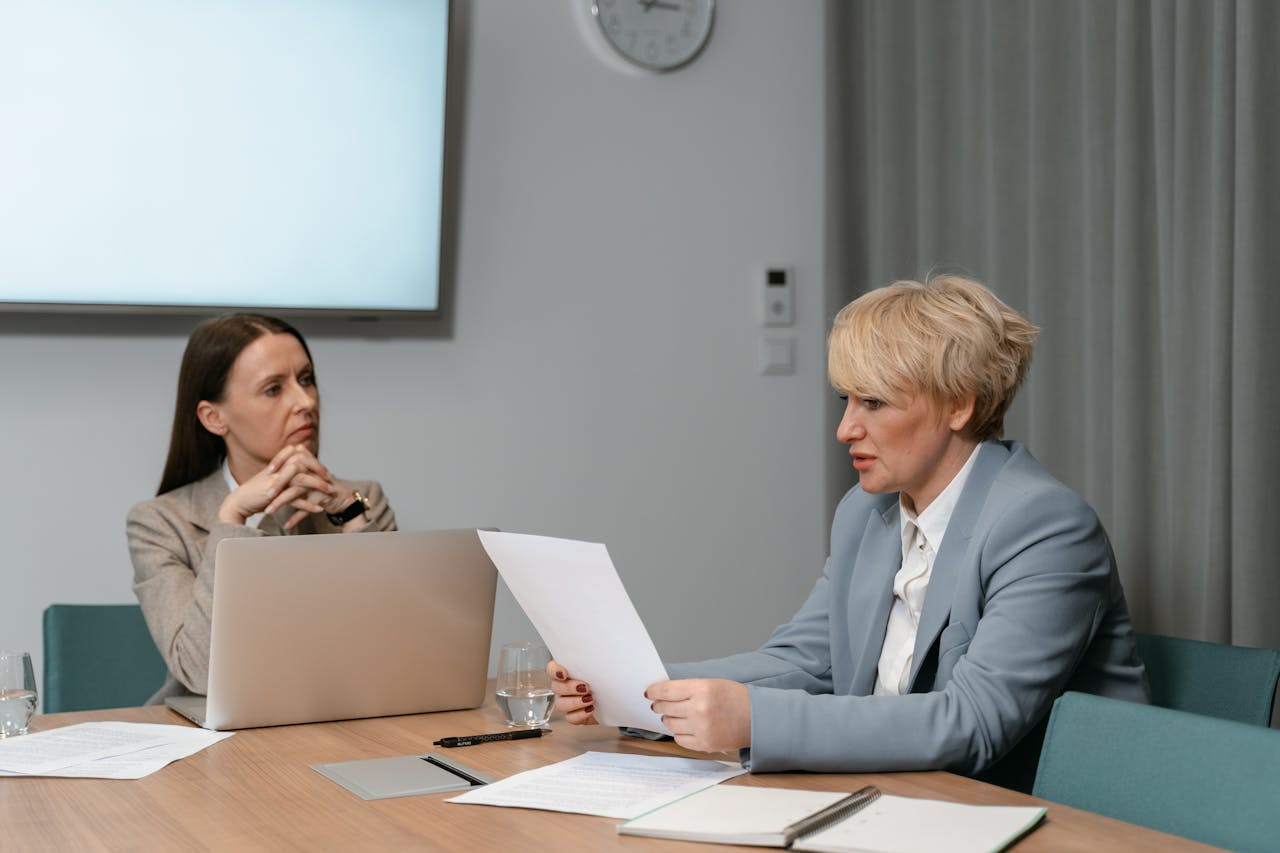
They discussed why leaders often avoid feedback—and what it actually takes to make it normal, effective, and human at work.
Most leaders don’t avoid feedback because they don’t care. They avoid it because it feels risky. Fear of damaging relationships, ambiguity about what to say, and the absence of a simple structure often cause leaders to delay, soften, or skip conversations altogether. The cost of that avoidance, however, shows up quickly—in misalignment, stalled performance, and unnecessary turnover.
During the conversation, we discuss the three most common feedback avoidance patterns, share practical language leaders can use when conversations feel awkward, and outline how organizations can build a feedback culture without overburdened HR processes.
The takeaway is clear: Feedback doesn’t need to be perfect or complicated—it needs to be consistent. When leaders use a repeatable approach, feedback becomes less emotional, more actionable, and far more effective. Employees lean in, ask for feedback and on occasion, feel safe to provide feedback to the leader. Normalizing feedback is about being consistent, clear, intentional, and committed to growth.
Learn more about Joan’s work at www.jdhInsights.com
Joan Hibdon is the founder of jdhInsights, LLC, where she coaches and develops leaders to become the best version of themselves. Through her writing, facilitation, and strategic coaching, Joan helps organizations build feedback-rich cultures that fuel sustainable growth.