
By Shane Ginsberg, Founder & CEO, Street Poller Media
Six years ago, I was 16 years old, standing on a sidewalk in Los Angeles with an iPhone. I had dropped out of eighth grade, and I had a hypothesis: the most truthful thing in advertising would be a real person reacting in real time to a question they did not see coming.
Today, Street Poller Media manages over $25 million per month in ad spend across more than 500 brands. We are the world’s largest street interview media company. The format I invented in 2020 is now what every direct-to-consumer agency in 2026 is copying.
This is the story of how it happened, and why it matters for any founder thinking about advertising in the second half of the decade.
The hypothesis was simple. By 2020, consumers had developed an instinct for paid creative. They could spot a script reading from ten feet away. The polished UGC that had powered DTC for the previous five years was already saturated. The algorithms on Meta and TikTok were starting to reward something different: pattern interrupts, real human emotion, and content that didn’t look like an ad.
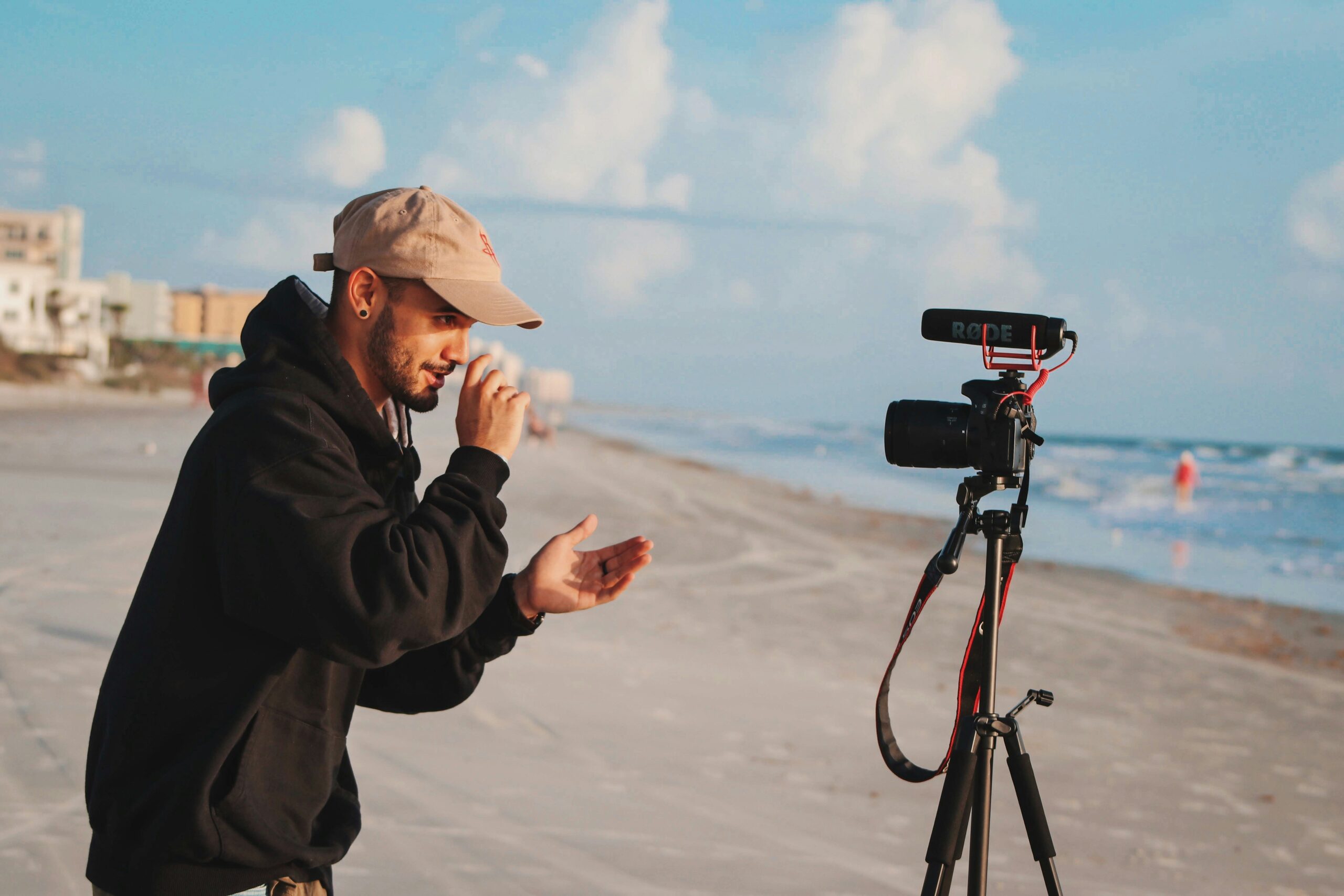
So I stood on the sidewalk in LA, walked up to strangers, asked them questions with a microphone, and filmed the unscripted answers. The reactions became the ads.
It worked the first time. It worked the tenth time. By the time I was 17, we had landed our first major brand client. MoonPay engaged us for a six-month campaign that generated quality leads and app installs we could measure in dollars. Other brands followed. We added production teams in NYC, LA, and Miami. Six years later, the format is the most-imitated playbook in performance marketing.
Three forces made this transition inevitable for the rest of the industry:
1. Consumer Trust Collapsed The 2025 Edelman Trust Barometer Special Report on Brands made it official: consumers no longer trust polished, paid creative. They view brand trust as more important than features or price. UGC, the workhorse of DTC for half a decade, was visibly broken.
2. The Algorithms Shifted Meta and TikTok now reward pattern interrupts in the first 1.5 seconds and real emotional cues that polished ads cannot replicate. Street interviews, captured natively in vertical 9:16 with yellow subtitles and a microphone in the frame, match exactly what the algorithm now scores highest.
3. Regulated Categories Ran Out of Options GLP-1 weight loss, nicotine pouches, sports betting, gambling, crypto, and fintech lending all share a problem: most ad agencies cannot get their accounts approved on Meta and TikTok. The compliance frameworks for these categories are unforgiving. We built category-specific compliance frameworks for each of them over the last six years. Today, brands like TrimRX in GLP-1 and ALP in nicotine pouches advertise at scale on paid social where competitors cannot get a single ad approved.
The proof is in the data. Coverd, a fintech client, went from $20 cost-per-install (CPI) on influencer UGC to $3.51 CPI on Meta in 60 days. The Loaded Tea Shop scaled to $100,000 per day in Meta ad spend. Polymarket has generated over 150 million views and more than one million app installs through our street polling work over the last two years.
The lesson for founders is not “drop out of school.” The lesson is that when you see something everyone else is missing, build it anyway. The world eventually catches up. It just takes patience and the willingness to stand on a sidewalk and ask strangers questions until the system is six years deep.
The street interview ad format is the new baseline of performance creative in 2026. The brands that figured it out early are paying the lowest cost-per-acquisition in their categories right now. The ones who figure it out late are going to pay an attribution premium for the next two years.
If you spend $25,000 or more per month on paid social, the format works for your business. Apply here.
Author Bio:
Shane Ginsberg is the 21-year-old founder and CEO of Street Poller Media, the world’s largest street interview media company. The agency manages over $25 million per month in ad spend across 500+ brands. Recent coverage includes AP News and the National Law Review.
shane@streetpoller.com
561-933-9202
https://streetpoller.com