
INTERVIEW ON THE PRICE OF BUSINESS SHOW, MEDIA PARTNER OF THIS SITE.
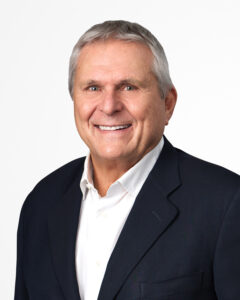
Recently Kevin Price, Host of the nationally syndicated Price of Business Show, interviewed Michael Marino.
The Michael Marino Commentaries
In the state of College Sports and NIL we had significant developments in two of our favorite topics: The Protect College Sports Act, publicly supported by the President, and steps toward Collective Bargaining, as evidenced by a petition for union representation with the Oregon Employees Relations Board.
Despite a flurry of activity in the Senate, and various bi- partisan support, the clock ran out, and the Senators headed home for a five week recess before the next legislative session without a vote on S.4668.
Senator John Thune (R-SD) the Senate Majority Leader, has promised a vote in September. The question now is whether momentum for the bill peaked. Authoritative voices, including Nick Saban, many Conference and college officials, and Senators on both sides of the aisle weighed in heavily on the urgency of the protections the legislation would provide. The SEC and Big Ten, which had withheld support, both gave their support after extracting various concessions. It appeared that the 60 votes needed might be found, and the co-sponsors, Sen. Cruz (R-TX) and Sen. Maria Cantwell (D-WA) spoke confidently like game day quarterbacks on the prospects for a vote. A major selling point from Sen Cantwell has been the protection of sports other than football and basketball, particularly Olympic and women’s sports, including, golf, volleyball, fencing, crew and all the sports that contribute to the growth and development of successful college athletes without the revenue generated, and required, by football. This bill compels schools to maintain $5 million in revenue-sharing money to maintain these sports, which otherwise face the prospect of being lost due to funding. The question now is whether the recess allows the critics, and there are many, to consolidate their opposition. Then there is the House vote, should the bill clear the Senate. The most significant opposition comes from the AFL-CIO, along with voices in the Black Caucus. that believe the bill fails to provide the opportunity for the voices of athletes to be heard, including through collective bargaining. The Senate bill takes no position on student athletes as “employees”, a requirement for jurisdiction under the National Labor Relations Act, (NLRA) nor does it reference “collective bargaining”.
That provides a segway to our other breaking news: a formal petition being filed by the Oregon women’s basketball team with the Oregon Employee Relations Board, which handles public employee collective bargaining, similar to what the NLRB does in the private sector. This is significant. This is one of two pathways we have discussed to work around dealing the NLRB and the traditional definition of employees. (the other was using the gig laws allowing collective bargaining rights for independent contractors.) Although the Dartmouth Basketball players were found to be employees under the NLRA, that was under the Biden NLRB. The new Board now has a Republican majority in place. They have not formally taken a position on the employee issue.
The Oregon players signed with the United College Athletes Association (UCAA), a labor organization with some experienced and high powered advisors on its advisory board, including the president of the WNBPA, and the former General Counsel of the NLRB, under Biden, Jennifer Abruzzo, now with a highly respected union law firm. This group knows how to navigate in the union and collective bargaining arena. Why is this relevant? The House Black Caucus supports collective bargaining for athletes. Engaging in collective bargaining requires, well, a union. Charles Grantham, who previously served as the first EVP of the NBPA and was its first Executive Director, played an important role in making the NBA players what they are today, recently traced the development of the Players Association and collective voice in an article in Yahoo sports that is sure to be brought forth in the debates to come.
Now, for this round, we’re in overtime: the College Sports Act may get a few more plays in. Meanwhile, let’s see if the Oregon Team hits another 3 before the Oregon Employee Relations Board. More to Come.
The season is just beginning!
Michael Marino is a NYC-based management labor, employment and entertainment lawyer who for decades has represented corporations, executives, celebrities, sports figures, and influencers. A member of the College of Labor and Employment Lawyers, he has tried federal court cases across the country and negotiated hundreds of collective bargaining and marketing agreements. Before entering private practice, he served proudly as an officer in the United States Marine Corps, and as Special Counsel to the Secretary of the Navy. He is a graduate of Georgetown University Law Center, Syracuse University College of Law, and Cornell University’s School of Industrial and Labor Relations.
Learn more at https://www.seyfarth.com/people/michael-f-marino.html/.
Connect with Michael on social media:
LinkedIn: https://www.linkedin.com/in/michaelfmarino
Twitter/X: https://x.com/seyfarthshawLLP
Check out more national news stories here.
Explore more insights at https://usabusinessradio.com/.